
Se Habla Español
Blog
Legal insights, defense strategies, and practical guidance for individuals facing criminal charges in Texas.
Our blog breaks down Texas criminal law in clear terms — so you understand your rights, your options, and what to expect at every stage of the justice process.
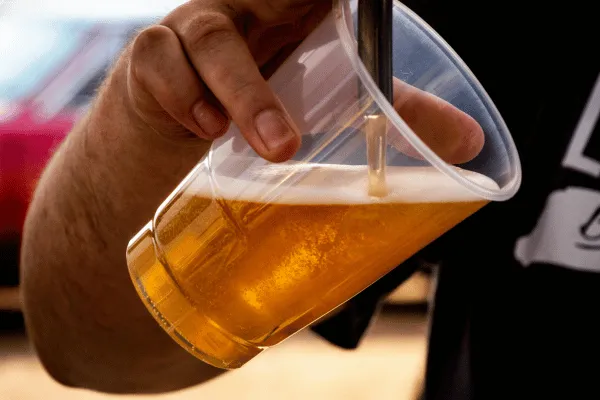
What Happens After Arrest? DWI Lawyer McKinney TX
What Happens After a DWI Arrest in McKinney, TX?
A DWI arrest can feel immediate and overwhelming. You may have been taken to jail, released on bond, handed paperwork you barely had time to read, and told you have court dates coming. You may also be facing driver’s license consequences before your criminal case even begins.
An arrest is not a conviction. What happens next depends on evidence, procedure, and the decisions you make early in the case.
If you were arrested in McKinney, Collin County, or Dallas County, here is what you should understand about the process and your options.
The Arrest and Booking Process
Most DWI cases begin with a traffic stop. The officer may claim a traffic violation, erratic driving, or another reason for initiating contact. From there, the investigation typically includes:
Officer observations (odor of alcohol, speech, balance)
Field sobriety tests
Questions about where you were and what you consumed
A request for a breath or blood test
If the officer decides to arrest you, you are taken to jail for booking. This process may include fingerprinting, photographs, and bond procedures.
It is important to understand that every step, from the initial stop to the chemical test, must comply with constitutional and procedural rules. A DWI case is built on process. If the process is flawed, the case may be defensible.
Your Driver’s License Is a Separate Issue
Many people do not realize that a DWI arrest can create two separate problems:
The criminal charge.
A driver’s license issue.
Depending on the circumstances, you may face license suspension related to a test result or a refusal. These license consequences can move on a different timeline than the criminal case.
If you depend on your ability to drive for work, school, or essential family obligations, this issue should not be ignored. Addressing license consequences early can prevent avoidable disruption.
Texas DWI Penalties
The penalties for a DWI in Texas depend on the facts, your prior record, and the evidence.
Potential consequences can include:
Jail exposure
Probation or community supervision
Fines and court costs
Required classes or programs
Driver’s license restrictions
A permanent criminal record
Even a first-time DWI can have long-term consequences for employment, professional licensing, and insurance.
No responsible lawyer should promise an outcome without reviewing the evidence. The focus should be on what the State can prove and whether it can prove it lawfully.
How a DWI Lawyer in McKinney, TX Builds a Defense
A DWI case is not decided by the arrest alone. It is decided by the strength of the evidence.
When evaluating a DWI case, key questions include:
Was the Traffic Stop Lawful?
An officer must have a legally valid reason to stop your vehicle. If the stop lacked a lawful basis, evidence gathered afterward may be subject to challenge.
Was the Investigation Conducted Properly?
Field sobriety tests must be administered and interpreted correctly. Conditions such as lighting, surface conditions, medical issues, fatigue, and stress can affect performance.
Video often tells a more complete story than a written report.
Was the Breath or Blood Test Reliable?
Breath and blood tests involve procedures, documentation, and chain-of-custody requirements. Mistakes can occur in:
Calibration
Timing
Collection
Handling
Documentation
A test result is only as strong as the process behind it.
Can the State Prove Intoxication Beyond a Reasonable Doubt?
Under Texas law, intoxication can be defined as not having the normal use of mental or physical faculties, or having an alcohol concentration of 0.08 or more. The State must prove its case with admissible, reliable evidence.
Preparation matters. Some cases resolve without trial. Some should be tried. The decision should be based on a careful review of proof and risk, not pressure.
What You Should Do Now
If you were arrested for DWI in McKinney, Collin County, or Dallas County:
Do not discuss the case with anyone except your lawyer.
Keep all paperwork you were given.
Do not miss court dates.
Follow all bond conditions exactly.
Write down what you remember about the stop and timeline while it is still fresh.
Early defense work allows evidence to be preserved and evaluated properly.
Talk With a McKinney DWI Lawyer
If you were arrested for DWI, you are facing a legal process that moves quickly and can affect your freedom, your license, and your record. The right approach is structured, evidence-driven, and prepared for trial if necessary.
If you want a DWI lawyer in McKinney, TX who will evaluate the stop, examine the evidence, and defend your case rather than push you into a quick plea, call for a confidential consultation.
Citations
Texas Transportation Code Chapter 524
Photo by Magda Ehlers

Practice Areas
Support
Connect
Copyright 2026. PAUL KEY LAW. All Rights Reserved.